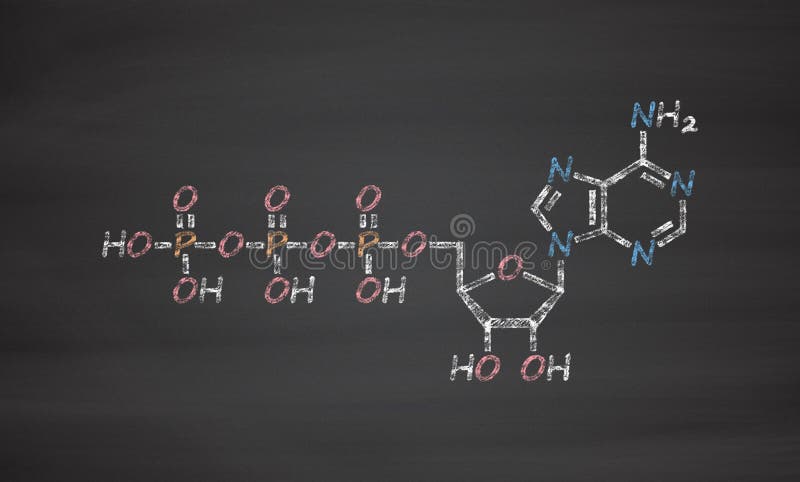
38 adenosine triphosphate (atp) is a molecule that provides energy for cellular functions. label the three major components of an atp molecule.
ATP AND BIOLOGICAL ENERGY - Estrella Mountain Community College Adenosine triphosphate (ATP), the energy currency or coin of the cell pictured in Figfures 1 and 2, transfers energy from chemical bonds to endergonic (energy absorbing) reactions within the cell. Structurally, ATP consists of the adenine nucleotide ( ribose sugar, adenine base, and phosphate group, PO 4-2) plus two other phosphate groups. Chapter 7 Flashcards | Quizlet ATP Adenosine triphosphate (ATP) is a molecule that provides energy for cellular functions. Label three major components of an ATP molecule. three phosphate,ribose,adenine Classify the following statements about the structure of an adenosine triphosphate (ATP) molecule as true or false. Reminder: Adenosine diphosphate is abbreviated ADP.
Adenosine triphosphate - American Chemical Society Specifically, it is a coenzyme that works with enzymes such as ATP triphosphatase to transfer energy to cells by releasing its phosphate groups. The molecule consists of three components: an adenine bicyclic system, a furanose ring, and a triphosphate chain. Two research groups reported the discovery of ATP in 1929.
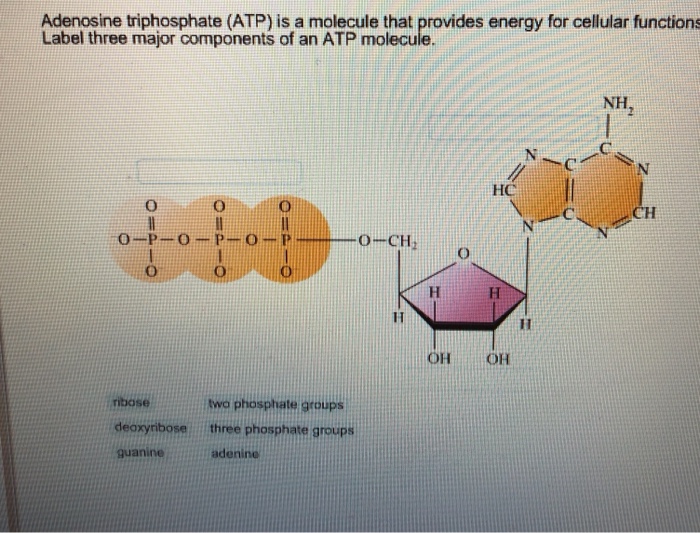
Adenosine triphosphate (atp) is a molecule that provides energy for cellular functions. label the three major components of an atp molecule.
BIOLOGY FORM TWO SUMMARIZED NOTES 09.09.2022 · ATP is synthesised from adenosine diphosphate (ADP) and inorganic phosphate. The last bond connecting the phosphate group is a high-energy bond. Cellular activities depend directly on ATP as an energy source. When an ATP molecule is broken down, it yields energy. Process of Respiration . The breakdown of glucose takes place in many steps. Recent advances in metabolism and toxicity of tyrosine kinase ... Small molecule tyrosine kinase inhibitors (TKIs) are widely used as anticancer drugs approved by U.S. FDA. However, the toxicities of TKIs to multiple organs have greatly limited their clinical applications. The metabolism of TKIs generates several potentially toxic metabolites in vivo, that can disturb the endogenous metabolism as well as cellular function, leading to organ damage. … Cell (biology) - Wikipedia Prokaryotes include bacteria and archaea, two of the three domains of life.Prokaryotic cells were the first form of life on Earth, characterized by having vital biological processes including cell signaling.They are simpler and smaller than eukaryotic cells, and lack a nucleus, and other membrane-bound organelles.The DNA of a prokaryotic cell consists of a single circular …
Adenosine triphosphate (atp) is a molecule that provides energy for cellular functions. label the three major components of an atp molecule.. Adenosine Triphosphate (ATP) - Definition, Structure and Function Adenosine triphosphate, also known as ATP, is a molecule that carries energy within cells. It is the main energy currency of the cell, and it is an end product of the processes of photophosphorylation (adding a phosphate group to a molecule using energy from light), cellular respiration, and fermentation. All living things use ATP. ATP - Energy Currency of the Cell - Structure and its Functions - BYJUS ATP - Adenosine triphosphate is called the energy currency of the cell. It is the organic compound composed of the phosphate groups, adenine, and the sugar ribose. These molecules provide energy for various biochemical processes in the body. Therefore, it is called "Energy Currency of the Cell". Adenosine triphosphate - WikiMili, The Best Wikipedia Reader Interactive animation of the structure of ATP. Adenosine triphosphate (ATP) is an organic compound and hydrotrope that provides energy to drive many processes in living cells, such as muscle contraction, nerve impulse propagation, condensate dissolution, and chemical synthesis. Found in all known forms of life, ATP is often referred to as the "molecular unit of currency" of intracellular ... Biochemistry ; Questions and Answers - Academia.edu Enter the email address you signed up with and we'll email you a reset link.
Adenosine Triphosphate - Bristol However, before the energy can be used, it is first transformed into a form which the organism can handle easily. This special carrier of energy is the molecule adenosine triphosphate, or ATP. Its Structure The ATP molecule is composed of three components. At the centre is a sugar molecule, ribose (the same sugar that forms the basis of RNA). adenosine triphosphate | Definition, Structure, Function, & Facts adenosine triphosphate (ATP), energy-carrying molecule found in the cells of all living things. ATP captures chemical energy obtained from the breakdown of food molecules and releases it to fuel other cellular processes. ATP and ADP ATP (Adenosine tri-phosphate) is an important molecule found in all living things. Think of it as the “energy currency” of the cell. If a cell needs to spend ... How Does ADP Become ATP? Cycle, Structure, and Function - Study.com ADP also called adenosine diphosphate, is a molecule formed in living cells. It is often converted to adenosine triphosphate (ATP), a high-energy molecule used in various biochemical reactions. ADP...
(Solved) - The highest-energy phosphate bond in ATP is ... - Transtutors Explanation: A bond that ... The Best Creatine Monohydrate Supplements Reviewed Summer … Aug 05, 2022 · Our bodies do not have adenosine triphosphate for more than 10 seconds of energy. You give an additional phosphate molecule to your ADP (adenosine diphosphate) to generate ATP when you consume ... What is adenosine triphosphate? - Quora Answer (1 of 3): What is adenosine triphosphate? Adenosine triphosphate is ATP, and is often called the energy currency of the cell. As the name indicates, it consists of the nucleoside adenosine plus 3 phosphates. Adenosine itself is composed of the nitrogenous base adenine plus the pentose ri... What Is ATP (Adenosine Triphosphate) and What Does It Do? - LuminUltra Adenosine Triphosphate (ATP) is the primary energy carrier in all living organisms on earth. Microorganisms capture and store energy metabolized from food and light sources in the form of ATP. When the cell requires energy, ATP is broken down through hydrolysis. The high energy bond is broken and a phosphoryl group is removed.
Solved Adenosine triphosphate (ATP) is a molecule that ...
Understanding ATP—10 Cellular Energy Questions Answered The initials ATP stand for adenosine tri-phosphate. This long name translates to a nucleic acid (protein) attached to a sugar and phosphate chain. Phosphate chains are groups of phosphorous and oxygen atoms linked together. One cool fact: ATP closely resembles the proteins found in genetic material. 3.

ATP: Adenosine Triphosphate | Boundless Biology | | Course Hero
ATP- Definition, Structure, Production, Synthesis, Functions (2022) The energy released during cellular respiration is trapped in the form of two phosphodiester bonds in the ATP molecule. During the hydrolysis of these high-energy phosphodiester bonds in ATP molecules, energy is released, then used for cellular activities. IUPAC Name: Adenosine 5′-(tetrahydrogen triphosphate)

Adenosine Triphosphate Stock Illustrations – 219 Adenosine ...
The Three Primary Energy Pathways Explained - American Council on Exercise However, we cannot use energy directly from food—it must first be converted into adenosine triphosphate, or ATP, the immediate useable form of chemical energy utilized for all cellular function. The body does store a minimal amount of ATP within the muscles, but the majority is synthesized from the foods we eat.

Triphosphate Atp Stock Illustrations – 172 Triphosphate Atp ...
Creatine and Creatinine Metabolism | Physiological Reviews 01.01.2001 · I. INTRODUCTION. Ever since the discovery of phosphorylcreatine (PCr) in 1927 and of the creatine kinase (CK; EC 2.7.3.2) reaction in 1934 (see Refs.140, 833), research efforts focused mainly on biochemical, physiological, and pathological aspects of the CK reaction itself and on its involvement in “high-energy phosphate” metabolism of cells and tissues with high …
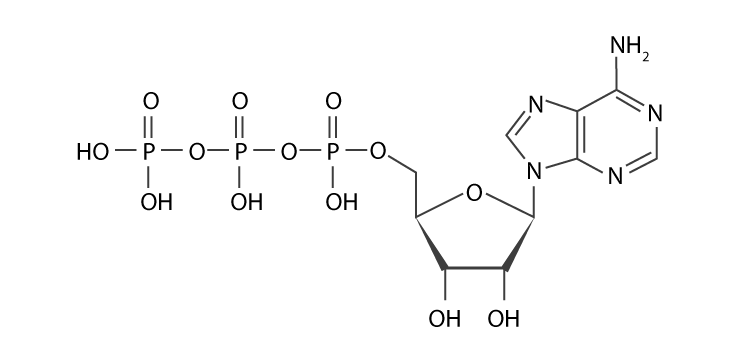
ATP - Energy Currency of the Cell - Structure and its Functions
Solved Adenosine triphosphate (ATP) is a molecule that - Chegg Question: Adenosine triphosphate (ATP) is a molecule that provides energy for cellular functions Label three major components of an ATP molecule NH, C. CH OmCH FT OH OH ribose deoxyribose guanine wo phosphate groups three phosphate groups adenine This problem has been solved! See the answer Show transcribed image text Expert Answer
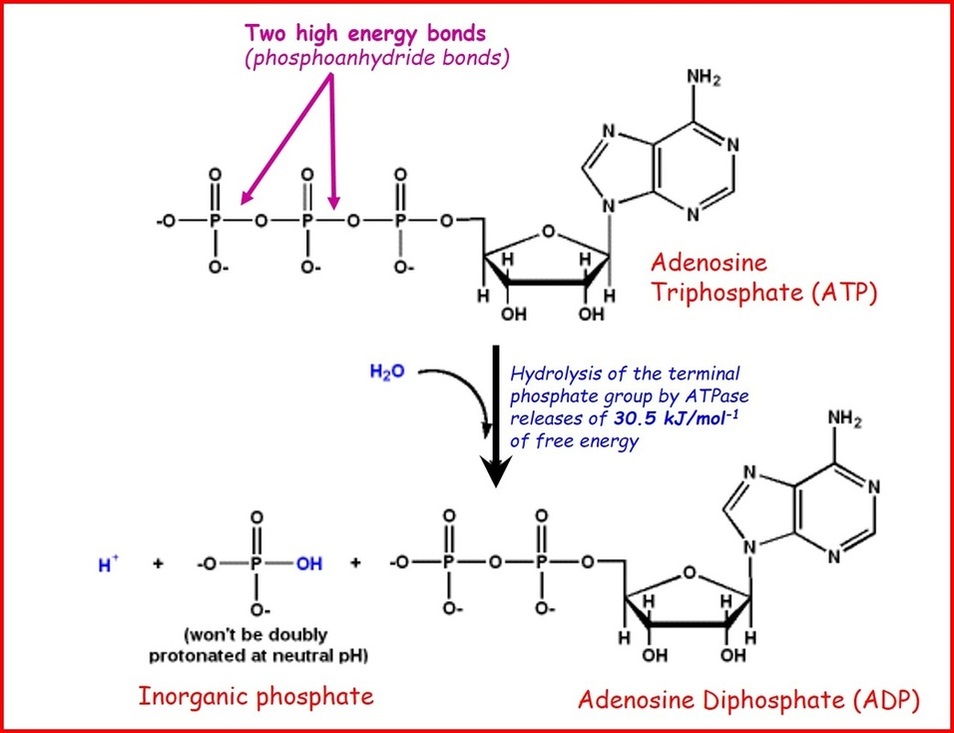
ATP structure + function
ATP+Video+Questions.docx - Amoeba Sisters Video Recap: ATP... Refer to diagram for Label of ATP ATP is a nucleotide.Its initials stand for adenosine triphosphate, which indicates that it contains the nitrogenous base adenine/adenosine, the pentose sugar ribose and three phosphate groups.These components are linked together into a single molecule through condensation reactions.
What are the components of adenosine triphosphate ATP? - Quora
(PDF) Engineering Chemistry by Jain & Jain - Academia.edu Enter the email address you signed up with and we'll email you a reset link.
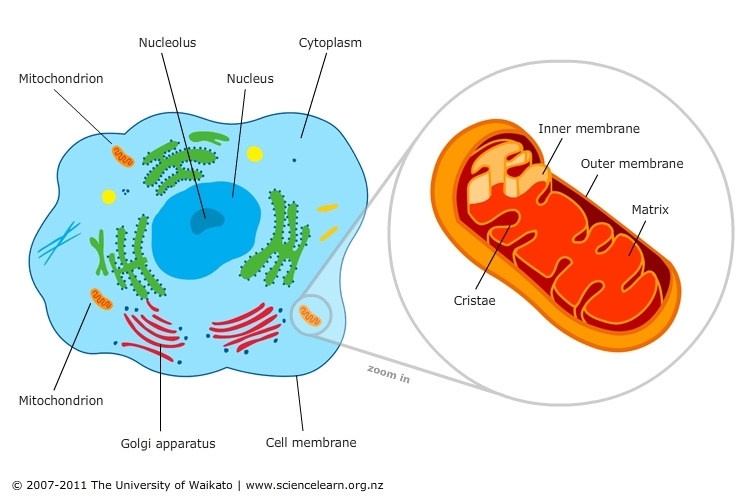
Mitochondria – cell powerhouses — Science Learning Hub
Biology Notes Form 2 PDF | Biology Form 2 Questions and … Energy produced is used to make an energy rich compound known as adenosine triphosphate (ATP). It consists of adenine, an organic base, five carbon ribose-sugar and three phosphate groups. ATP is synthesised from adenosine diphosphate (ADP) and inorganic phosphate. The last bond connecting the phosphate group is a high-energy bond.
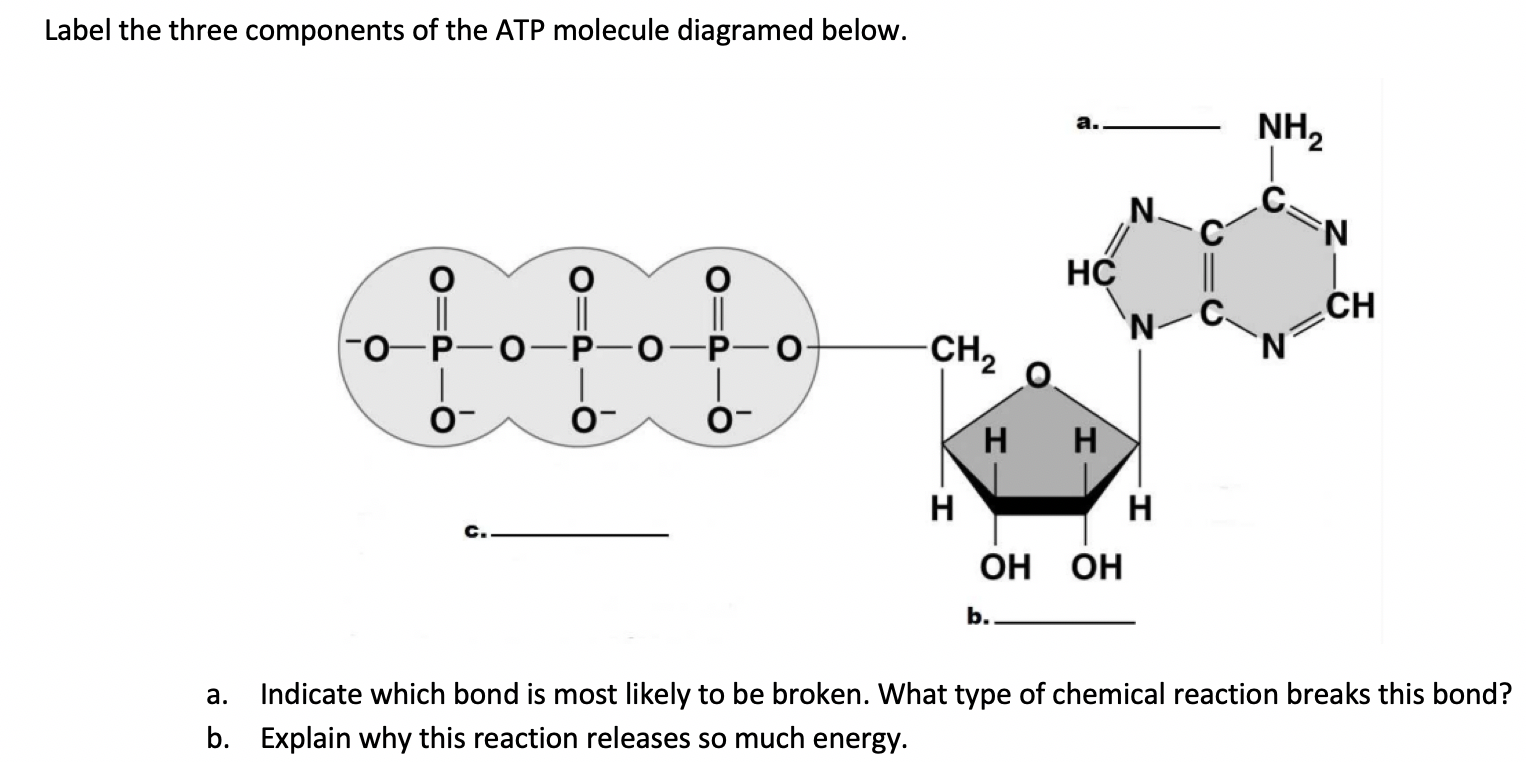
Solved Label the three components of the ATP molecule | Chegg.com
Maharashtra Board Class 10 Science Solutions Part 2 Chapter 2 … Jan 13, 2021 · Chemical composition of ATP is as follows: it is a triphosphate molecule having adenosine ribonucleoside. The nitrogenous compound-adenine, pentose sugar-ribose and three phosphate groups are present in ATP. In this energy-rich molecule the energy remains trapped in the bonds by which phosphate groups are attached to each other.
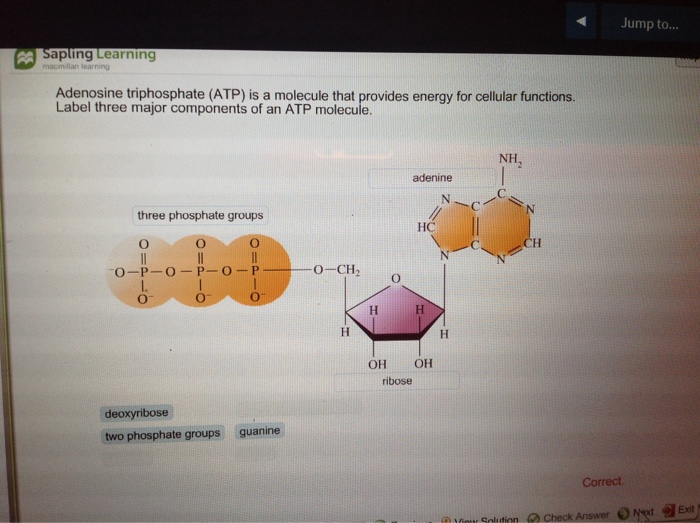
Bio Ch07 Flashcards | Chegg.com
ATP: Adenosine Triphosphate | Boundless Biology | | Course Hero Adenosine triphosphate (ATP) is the energy currency for cellular processes. ATP provides the energy for both energy-consuming endergonic reactions and energy-releasing exergonic reactions, which require a small input of activation energy. When the chemical bonds within ATP are broken, energy is released and can be harnessed for cellular work.

ATP (Adenosine Triphosphate) — Structure & Function - Expii
Physiology, Adenosine Triphosphate - StatPearls - NCBI Bookshelf The body is a complex organism, and as such, it takes energy to maintain proper functioning. Adenosine triphosphate (ATP) is the source of energy for use and storage at the cellular level. The structure of ATP is a nucleoside triphosphate, consisting of a nitrogenous base (adenine), a ribose sugar, and three serially bonded phosphate groups. ATP is commonly referred to as the "energy currency ...

Triphosphate Atp Stock Illustrations – 172 Triphosphate Atp ...
Adenosine Triphosphate - GSU Free Energy from Hydrolysis of ATP Adenosine triphosphate (ATP) is the energy currency of life and it provides that energy for most biological processes by being converted to ADP (adenosine diphosphate). Since the basic reaction involves a water molecule, ATP + H 2 O → ADP + P i. this reaction is commonly referred to as the hydrolysis of ATP.The change in Gibbs free energy in the reaction is ...

ATP (Adenosine Triphosphate) — Structure & Function - Expii
Solved Adenosine triphosphate (ATP) is a molecule that - Chegg Transcribed image text: Adenosine triphosphate (ATP) is a molecule that provides energy for cellular functions. Label three major components of an ATP molecule. NH, Answer Bank guanine three phosphate groups v=CH deoxyribose adenine -O-P-0 - P-0 — -0-CH ribose k H H two phosphate groups ОН ОН Previous question Next question

Why? Model 1: The Structure of Adenosine Tri-Phosphate (ATP ...
Adenosine triphosphate - Wikipedia Adenosine triphosphate (ATP) is an organic compound that provides energy to drive many processes in living cells, such as muscle contraction, nerve impulse propagation, condensate dissolution, and chemical synthesis. Found in all known forms of life, ATP is often referred to as the "molecular unit of currency" of intracellular energy transfer. When consumed in metabolic processes, it converts ...

Identification of Two Non-Peptidergic Small Molecule ...
BIOL 1408 SAPLING CH 4 HW Flashcards | Quizlet Adenosine triphosphate (ATP) is a molecule that provides energy for cellular functions. Label three major components of an ATP molecule. (top) adenine (middle) three phosphate groups (bottom) ribose a carbohydrate that enters glycolysis directly glucose the direct energy source for glycolysis ATP
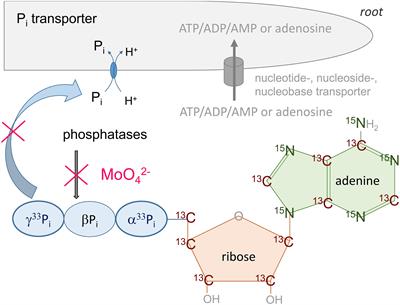
Frontiers | ATP as Phosphorus and Nitrogen Source for ...
Analytical Chemistry | Vol 94, No 30 The oxygen-sensitive self-polymerization of dopamine (DA) was demonstrated as an activity indicator of catalase (CAT) or CAT-like nanozymes, which showed all-round advantages in sensitivity, specificity, and versatility. This assay could promote the development of potential standardized assays for CAT (or CAT-like nanozyme) activity. View the article.
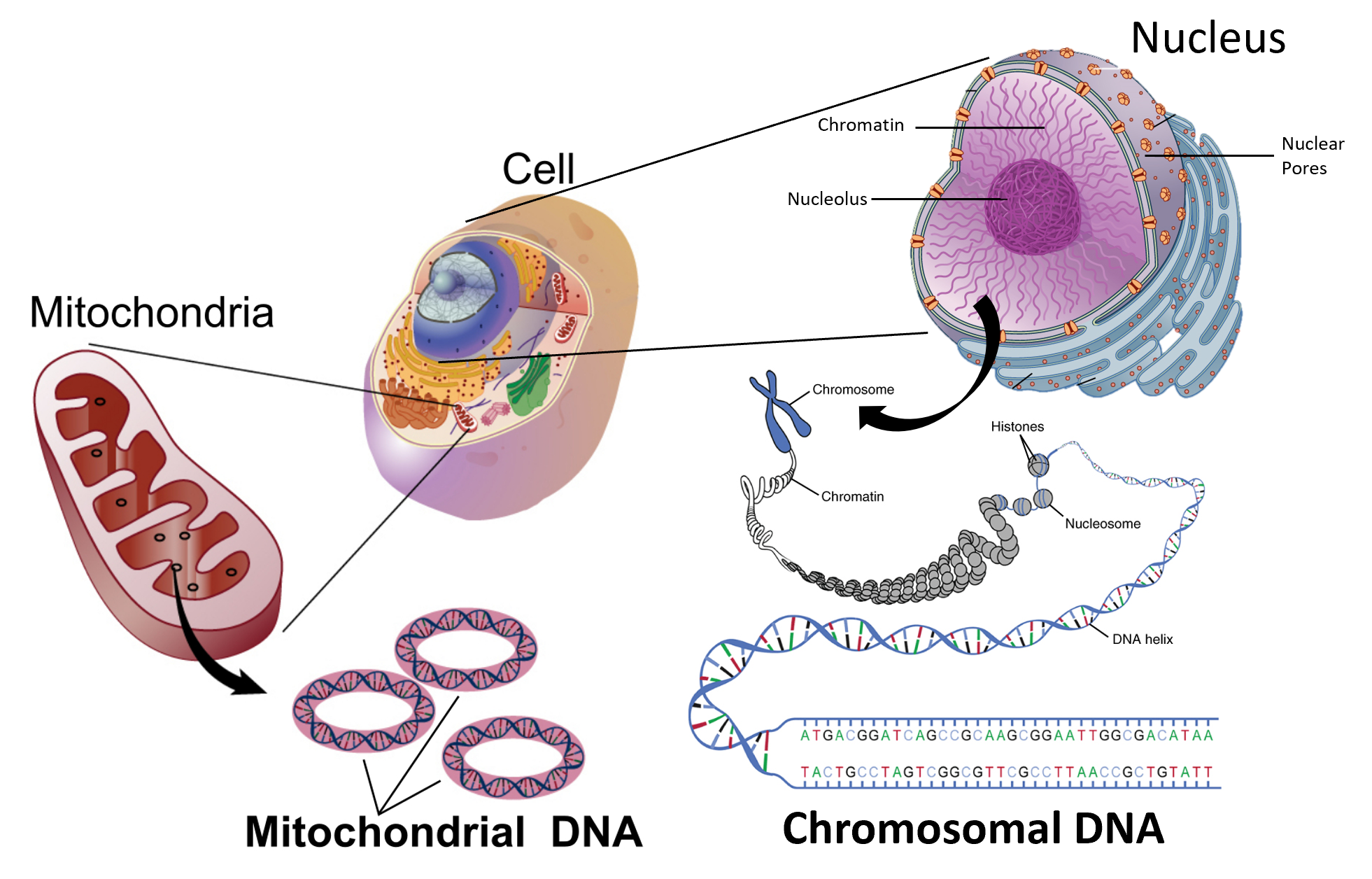
Chapter 1: The Foundations of Biochemistry – Chemistry
Cellular Respiration - Definition, Equation and Steps - Biology Dictionary ATP. The main product of any cellular respiration is the molecule adenosine triphosphate (ATP). This molecule stores the energy released during respiration and allows the cell to transfer this energy to various parts of the cell. ATP is used by a number of cellular components as a source of energy. For example, an enzyme may need energy from ...
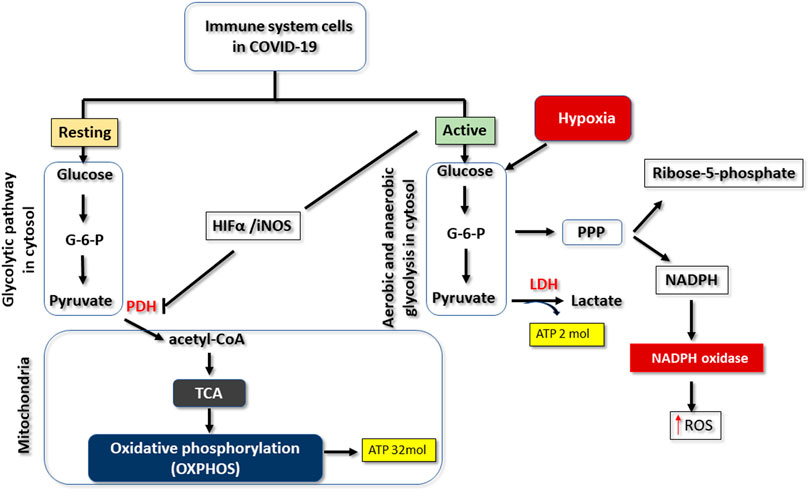
Frontiers | Changes in Glycolytic Pathway in SARS-COV 2 ...
What are three parts of an ATP molecule? | Socratic ATP molecules are used by all living organism as energy to carry out life functions. Also notable, ATP stands for Adenosine Triphosphate. This molecule is composed of three parts: Adenine. Ribose. Three Phosphate Groups. Here is a picture: Answer link. Related questions.
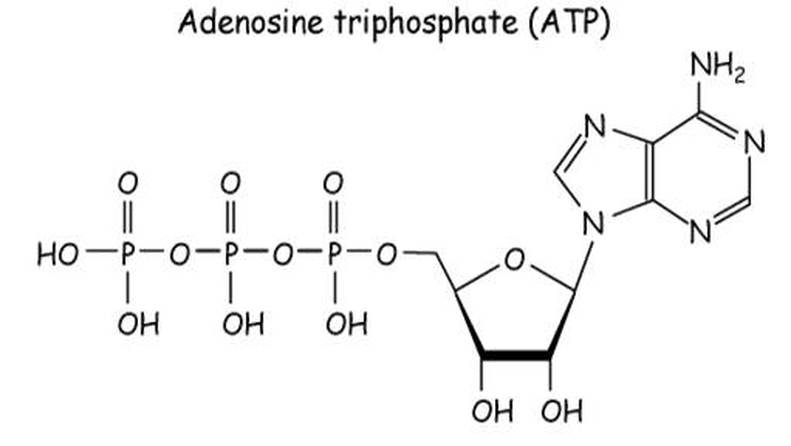
ATP structure + function
ATP - powering the cell - Cellular respiration - BBC Bitesize ATP (adenosine triphosphate) is the energy-carrying molecule used in cells because it can release energy very quickly. Energy is released from ATP when the end phosphate is removed. Once ATP has...
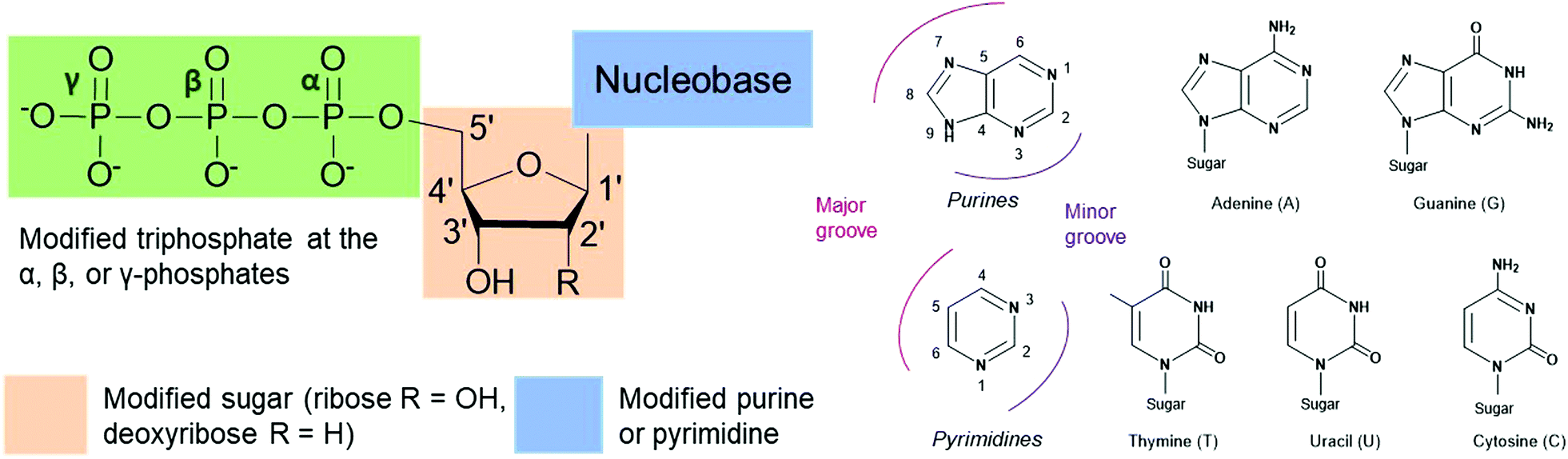
Modified nucleoside triphosphates in bacterial research for ...
ATP Overview & Uses | What Does ATP Stand For? - Study.com ATP is short for adenosine triphosphate. ATP definition: ATP is a high-energy molecule that can be found in all types of cells, including plant cells, muscle cells, nerve cells, and more. ATP is ...

Adenosine Triphosphate - an overview | ScienceDirect Topics
ATP Definition and Importance in Metabolism - ThoughtCo Adenosine triphosphate or ATP is often called the energy currency of the cell because this molecule plays a key role in metabolism, particularly in energy transfer within cells. The molecule acts to couple the energy of exergonic and endergonic processes, making energetically unfavorable chemical reactions able to proceed.

ATP synthase - Wikipedia
Cell (biology) - Wikipedia Prokaryotes include bacteria and archaea, two of the three domains of life.Prokaryotic cells were the first form of life on Earth, characterized by having vital biological processes including cell signaling.They are simpler and smaller than eukaryotic cells, and lack a nucleus, and other membrane-bound organelles.The DNA of a prokaryotic cell consists of a single circular …
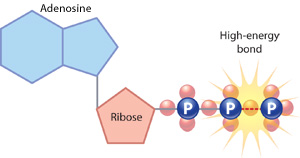
Cell Energy, Cell Functions | Learn Science at Scitable
Recent advances in metabolism and toxicity of tyrosine kinase ... Small molecule tyrosine kinase inhibitors (TKIs) are widely used as anticancer drugs approved by U.S. FDA. However, the toxicities of TKIs to multiple organs have greatly limited their clinical applications. The metabolism of TKIs generates several potentially toxic metabolites in vivo, that can disturb the endogenous metabolism as well as cellular function, leading to organ damage. …

Triphosphate Atp Stock Illustrations – 172 Triphosphate Atp ...
BIOLOGY FORM TWO SUMMARIZED NOTES 09.09.2022 · ATP is synthesised from adenosine diphosphate (ADP) and inorganic phosphate. The last bond connecting the phosphate group is a high-energy bond. Cellular activities depend directly on ATP as an energy source. When an ATP molecule is broken down, it yields energy. Process of Respiration . The breakdown of glucose takes place in many steps.

ATP: Adenosine Triphosphate | Boundless Biology | | Course Hero

ATP: Adenosine triphosphate (video) | Khan Academy
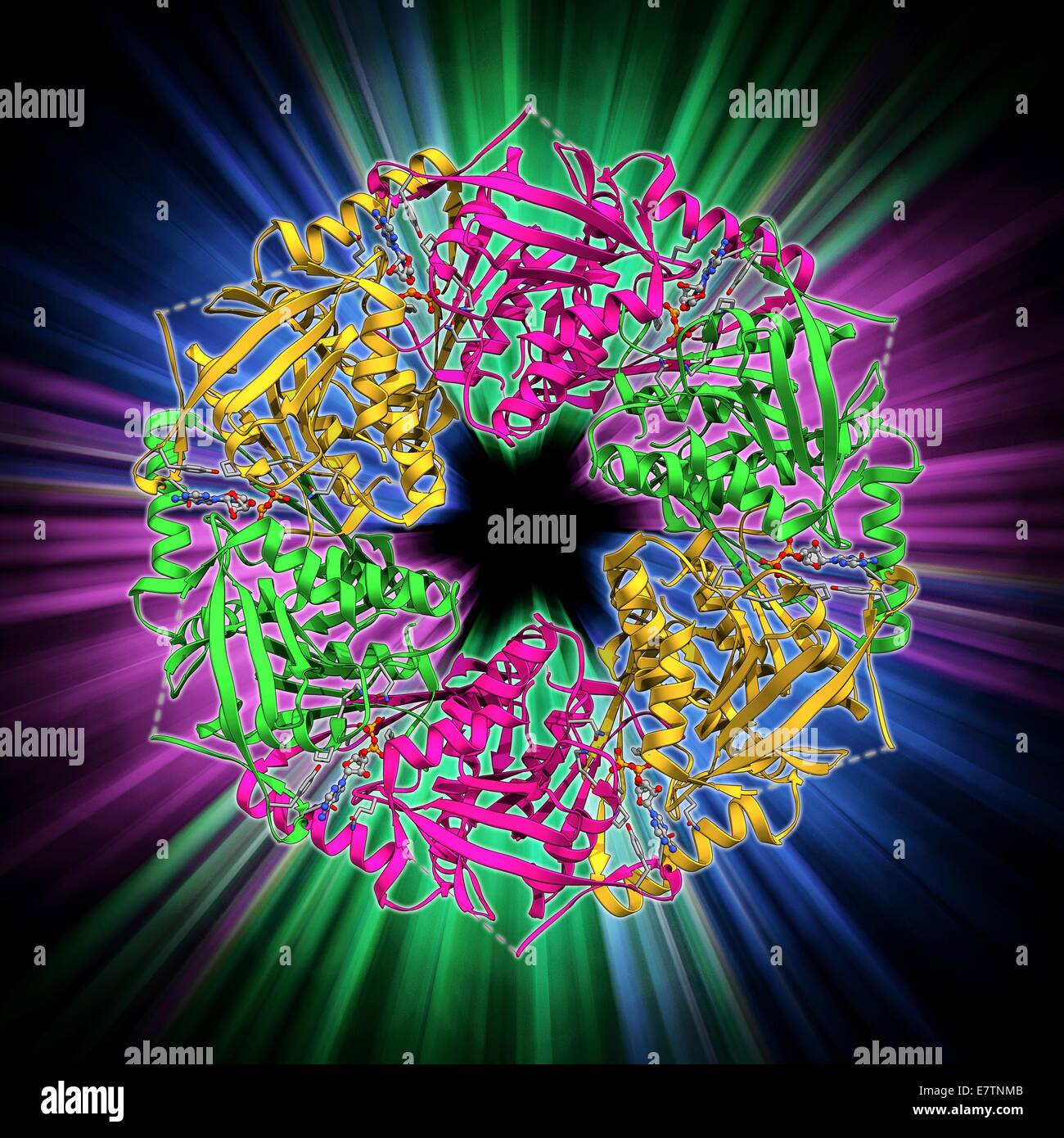
Atp synthesis hi-res stock photography and images - Alamy

Adenosine Triphosphate - an overview | ScienceDirect Topics

Triphosphate Atp Stock Illustrations – 172 Triphosphate Atp ...

ATP (Adenosine Triphosphate) — Structure & Function - Expii
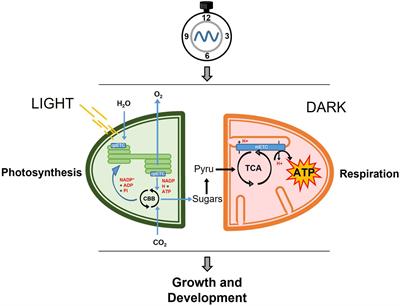
Frontiers | The Arabidopsis Circadian Clock and Metabolic ...
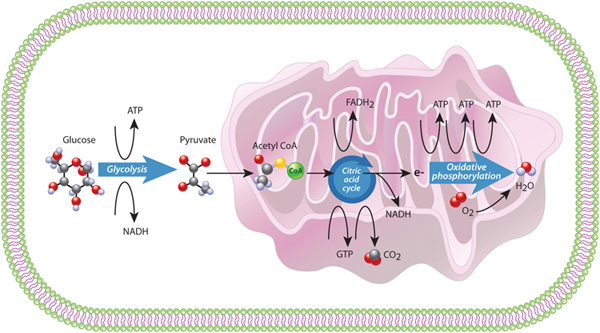
Cell Energy, Cell Functions | Learn Science at Scitable
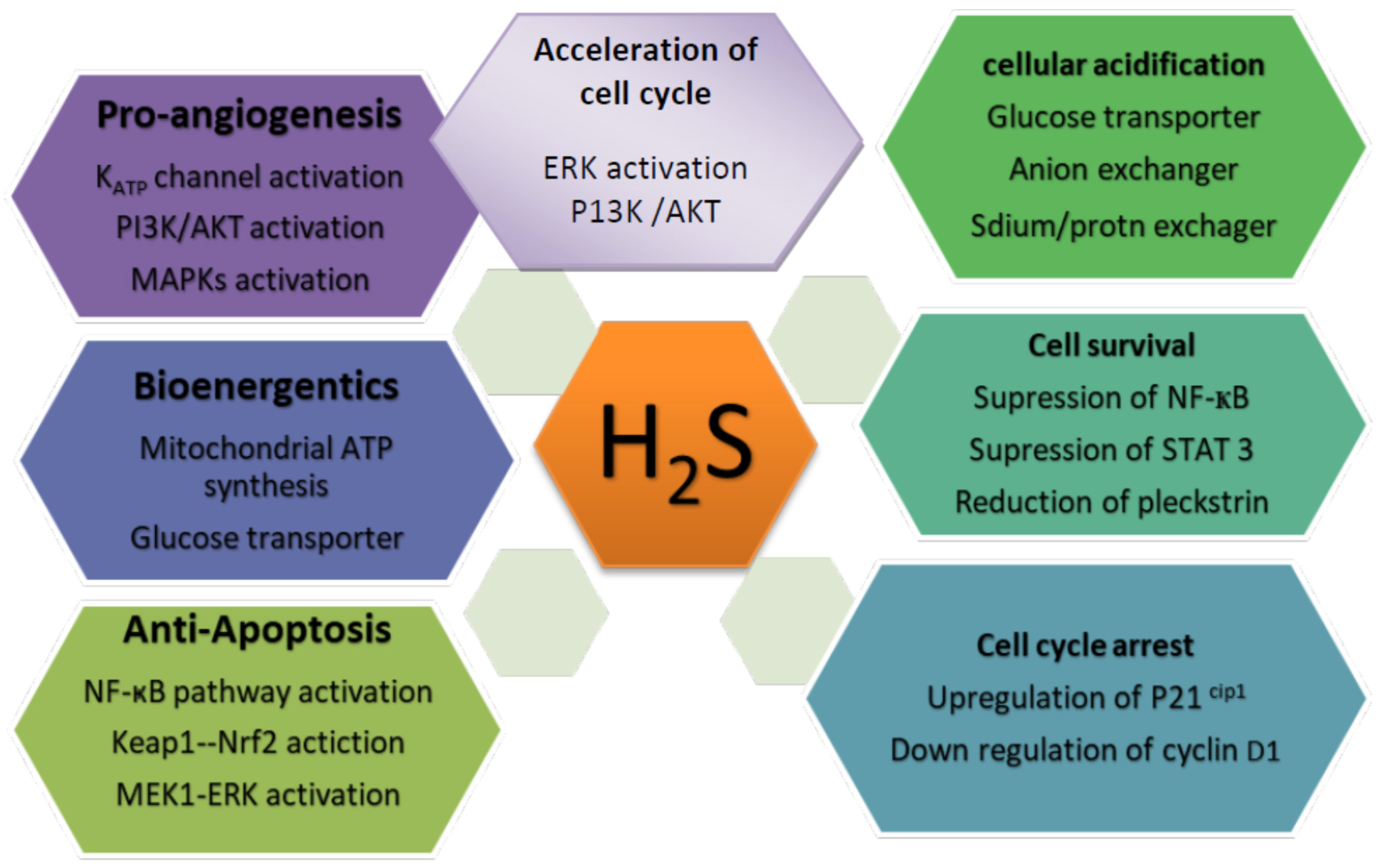
Molecules | Free Full-Text | Hydrogen Sulfide Biology and Its ...

Cell Energy, Cell Functions | Learn Science at Scitable

Biology Final Flashcards | Quizlet
Triphosphate Atp Stock Illustrations – 172 Triphosphate Atp ...

Electrochemical Aptamer Biosensor Based on ATP-Induced 2D DNA ...
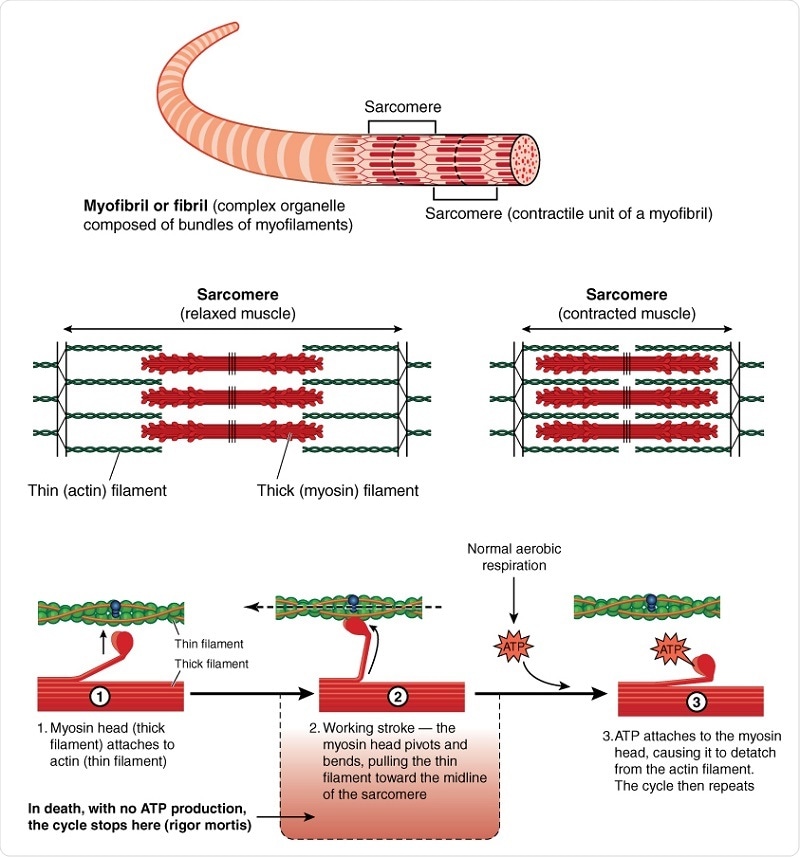
Adenosine Triphosphate (ATP) Function in Cells
Post a Comment for "38 adenosine triphosphate (atp) is a molecule that provides energy for cellular functions. label the three major components of an atp molecule."